
LVP Vinyl Flooring vs. Tile: Which Is Better for Your Home?
Comparing luxury vinyl plank (LVP) and tile flooring? Both are popular choices for Florida homes, but they offer different advantages in comfort, appearance, durability, maintenance, and installation cost.
This guide breaks down the real differences to help you decide which flooring makes the most sense for your rooms, lifestyle, and budget.
Flooring Installation in Port Orange and Daytona Beach
Florida’s Handyman and Renovation Services installs LVP, tile, laminate, and other flooring options. We help homeowners understand their choices, plan the work, and get a clear written quote before the project begins.
Choosing new flooring is an important decision. The floor affects how a room looks, how comfortable it feels, how much maintenance it requires, and how well it holds up to everyday use.
Two options homeowners often compare are luxury vinyl plank flooring, commonly called LVP, and traditional tile. Both can work well in Florida homes, but they are not interchangeable. The better choice depends on the room, the condition of the existing floor, your preferences, and the way you use the space.
Below, we compare LVP and tile in the areas that matter most, including water exposure, durability, comfort, appearance, cleaning, installation, and long-term value.
In This Flooring Comparison
1. LVP vs. Tile: Quick Comparison
Here is a quick overview of how the two flooring options compare. Product quality, installation methods, and the conditions in your home can affect the final results.
| Category | LVP Flooring | Tile Flooring |
|---|---|---|
| Water performance | Many products have waterproof cores, but seams and installation details still matter. | Tile surfaces resist water, but grout, joints, and the underlying assembly need proper attention. |
| Durability | Good everyday durability; surface can scratch, dent, or wear depending on product quality. | Very durable when properly selected and installed; tile can crack if the substrate or installation is unsuitable. |
| Comfort | Generally softer and warmer underfoot. | Harder and often cooler underfoot. |
| Appearance | Wood-look, stone-look, and other decorative designs. | Wide variety of ceramic, porcelain, stone, colors, shapes, and patterns. |
| Maintenance | Usually simple routine cleaning; follow product care instructions. | Routine cleaning plus attention to grout and any material-specific care. |
| Installation | Often faster, depending on the product and subfloor. | Usually more involved due to preparation, layout, setting materials, and grout. |
| Typical project cost | Often less expensive overall, depending on product and preparation. | Often higher installation cost, depending on tile, layout, and preparation. |
2. What Is Luxury Vinyl Plank (LVP) Flooring?
Luxury vinyl plank is a manufactured flooring product designed to resemble wood, stone, or other natural surfaces. It is available in many colors, plank widths, textures, and finishes.
Many modern LVP products use a rigid or flexible layered construction with a decorative image layer and a protective wear layer. Some products have a waterproof core, while performance and installation requirements vary by brand and product line.
Advantages of LVP
- Comfortable and generally warmer underfoot than tile.
- Available in wood-look and stone-look designs.
- Many products are designed to resist water and everyday spills.
- Often quicker to install than traditional tile.
- Can provide a consistent appearance across connected rooms.
- Routine cleaning is generally straightforward.
Things to Consider With LVP
- Quality varies significantly between products.
- The wear layer and surface can be damaged by scratches or heavy impacts.
- Subfloor flatness and preparation are important.
- Some products can be affected by excessive heat or direct sunlight.
- Water can still create problems if it gets beneath the flooring or into areas that are not properly protected.
- Repairs may require replacing individual planks or a larger section, depending on the installation system.
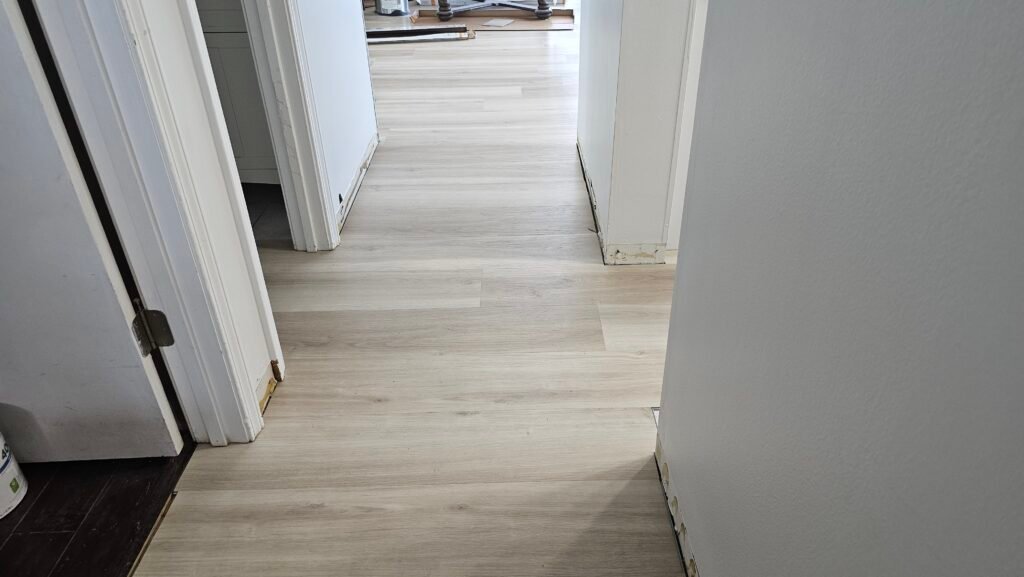
LVP is worth considering if you want the look of wood with a comfortable surface and relatively simple everyday maintenance. It is especially popular in living rooms, bedrooms, hallways, and many kitchens.
3. What Is Tile Flooring?
Tile flooring is available in ceramic, porcelain, natural stone, and other materials. It offers a wide range of styles, from simple neutral floors to decorative patterns and large-format designs.
Porcelain and ceramic tile are popular choices because they offer a hard, durable surface with many available finishes. Natural stone provides a different look but may require additional care and maintenance.
Advantages of Tile
- Hard, durable surface when properly selected and installed.
- Wide range of colors, shapes, sizes, and patterns.
- Does not absorb everyday wear in the same way as softer flooring surfaces.
- Easy to clean when the tile and grout are properly maintained.
- Can be an excellent choice for bathrooms, kitchens, and entryways.
- Individual damaged tiles can sometimes be replaced without replacing the entire floor.
Things to Consider With Tile
- Tile is hard underfoot and can feel cold.
- Hard objects dropped on tile may break more easily.
- Grout requires appropriate cleaning and maintenance.
- Installation usually requires more preparation and labor.
- Uneven or unsuitable subfloors can contribute to cracking or other problems.
- Some polished or smooth finishes may be slippery when wet.
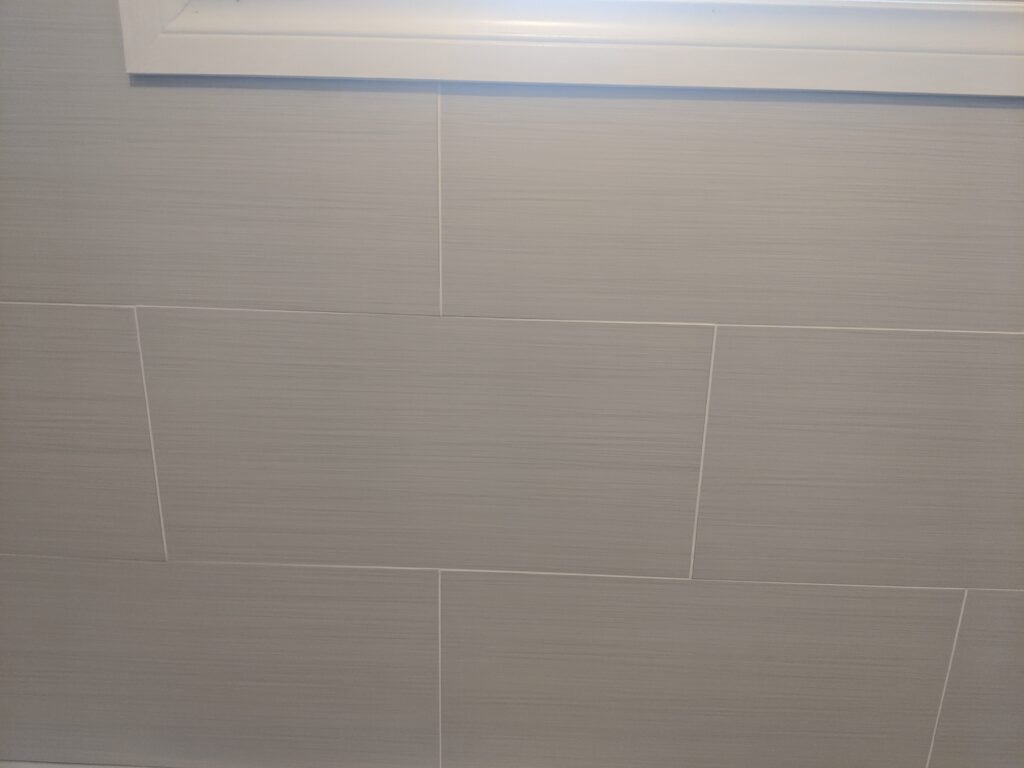
Tile may be the better fit when you want a hard surface with extensive design choices, particularly in bathrooms, kitchens, and areas where the look and feel of tile are important.
4. Water Resistance and Moisture: What Matters in Florida?
Moisture is an important consideration for flooring in Florida. Kitchens, bathrooms, laundry rooms, and entryways can all experience spills, humidity, or water exposure.
LVP and Water
Many LVP products are marketed as waterproof because of their core construction. That can make them a practical option in rooms where spills are common. However, waterproof flooring does not automatically make the entire floor assembly waterproof.
Water can still travel through edges, seams, openings, or improperly finished transitions. Follow the manufacturer’s installation requirements and address spills promptly.
Tile and Water
Ceramic and porcelain tile surfaces are generally well suited to moisture-prone areas. However, grout joints, movement joints, edges, and the materials beneath the tile still matter.
A tiled shower or other wet area needs an appropriate waterproofing system beneath the finished surface. Tile and grout alone should not be treated as a complete waterproofing system.
5. Durability and Everyday Wear
Both LVP and tile can perform well in busy homes, but they handle wear differently.
LVP Durability
LVP is designed for everyday residential use. Its protective wear layer helps resist normal surface wear, but the amount of protection depends on the product. Furniture, sharp objects, grit, and heavy impacts can still cause damage.
Using appropriate furniture protectors, keeping floors free of abrasive debris, and following the manufacturer’s care instructions can help preserve the finish.
Tile Durability
Quality ceramic and porcelain tile can provide a long-lasting floor. Tile is resistant to many forms of everyday surface wear, but it is not indestructible. Heavy impacts, movement beneath the floor, or improper installation can cause cracking.
Grout also needs attention. Damaged or deteriorating grout should be addressed before it creates larger maintenance problems.
6. Comfort, Appearance, and Style
Flooring covers a large portion of a room, so the way it looks and feels can have a major effect on the finished space.
Comfort Underfoot
LVP generally feels softer and warmer underfoot. Tile is harder and often cooler, which some homeowners prefer, particularly in Florida’s warm climate.
Wood-Look Designs
LVP offers many wood-inspired colors and plank patterns. Tile also comes in wood-look styles, including porcelain planks.
Decorative Options
Tile offers extensive choices in shape, size, texture, finish, and layout. It can create distinctive patterns and feature areas.
Room-to-Room Appearance
LVP can create a continuous look across several rooms. Tile can provide a distinct appearance and can be combined with other flooring through planned transitions.
The best-looking floor is the one that works with your cabinets, walls, trim, furniture, lighting, and the overall style of your home. It is worth comparing physical samples before making a final decision.
7. Cleaning and Maintenance
Both materials can be relatively easy to maintain when the correct products and cleaning methods are used.
Maintaining LVP
- Sweep or vacuum regularly to remove grit and debris.
- Use a cleaner approved for the flooring product.
- Avoid abrasive tools and harsh chemicals.
- Use protective pads beneath furniture.
- Follow manufacturer instructions for moisture and cleaning.
Maintaining Tile
- Sweep or vacuum to remove loose dirt and grit.
- Use a suitable tile cleaner and follow product instructions.
- Clean grout regularly to help prevent buildup and staining.
- Inspect grout and caulk for deterioration.
- Follow specific care instructions for natural stone.
The tile surface itself may be simple to clean, but grout can require additional attention. LVP generally avoids grout maintenance, although its own care requirements still depend on the specific product.
8. Installation and Overall Project Cost
The cost of a new floor involves more than the price of the material. Square footage, removal of existing flooring, preparation, transitions, trim, and installation details can all affect the final quote.
LVP Installation
Many LVP products use a click-lock installation system. Depending on the product and the condition of the existing floor, installation can be relatively straightforward.
The subfloor still needs to meet the product’s requirements. Uneven surfaces, moisture issues, damaged areas, and transitions should be addressed before installation.
Tile Installation
Tile installation generally involves more steps. The surface must be suitable for tile, the layout needs to be planned, and the correct setting materials and grout must be used. Wet areas may also require a dedicated waterproofing system.
Complex patterns, large-format tile, detailed cuts, and surface preparation can add time and labor to the project.
Which One Costs Less?
LVP is often less expensive to purchase and install than traditional tile, but that is not a rule for every project. Premium LVP products can cost more than some basic tile options, and difficult subfloor conditions can change the overall price.
Tile installation often involves more labor and preparation. The actual cost depends on the tile selected, layout, room dimensions, removal requirements, and condition of the existing floor.
Not Sure Which Flooring Is Right for Your Home?
Tell us about the room, the existing floor, and the look you want. We can discuss LVP and tile options and help you understand what your project may involve.
9. Which Flooring Is Best for Each Room?
One flooring material does not have to be used throughout the entire home. In some homes, a combination of LVP and tile is the most practical solution.
Living Rooms and Family Rooms
LVP is a popular choice for living areas because it offers a comfortable surface and many wood-look styles. Tile is also an option if you prefer a harder surface and a more traditional tile appearance.
Bedrooms
LVP is often appealing in bedrooms because it feels warmer and softer than tile. Tile can still work well if it matches your preferred style and comfort needs.
Kitchens
Both LVP and tile can work in kitchens. LVP offers comfort and convenient routine cleaning, while tile provides a hard surface with many design choices. Pay attention to water exposure, product specifications, and transitions.
Bathrooms
Tile is a traditional choice for bathroom floors and showers. LVP may also be suitable for some bathroom floors when the specific product and installation system are approved for that use. Shower floors and wet-area walls require appropriate tile and waterproofing details.
Hallways and Entryways
Both materials can work well in these areas. Consider foot traffic, tracked-in sand, cleaning, and how the floor connects to adjoining rooms.
Laundry Rooms
Both LVP and tile may be appropriate depending on the product and installation. Consider the possibility of appliance leaks and follow the manufacturer’s moisture requirements.
10. Long-Term Value and Resale Considerations
Flooring can influence the appearance and appeal of a home, but there is no automatic guarantee that one material will increase resale value more than another.
Buyers may appreciate the look of quality tile in bathrooms, kitchens, and other areas. Well-selected LVP can also make a home look updated and provide a practical flooring option for everyday living.
The overall condition, quality of installation, style, maintenance, and consistency throughout the home all matter. A floor that fits the house and is installed properly is generally a better investment than choosing a material simply because it is currently popular.
11. LVP or Tile: Which Should You Choose?
The right choice depends on what matters most to you. Here is a simple way to narrow down your decision.
Choose LVP If You Prefer:
- A softer, warmer feel underfoot.
- Wood-look flooring throughout connected rooms.
- Generally straightforward everyday maintenance.
- A potentially lower overall installation cost.
- A practical option for living areas and bedrooms.
Choose Tile If You Prefer:
- A hard, durable finished surface.
- A wide selection of shapes, sizes, and patterns.
- Traditional ceramic or porcelain flooring.
- Tile designs for bathrooms, kitchens, and entryways.
- A material that can complement a custom renovation.
You may also find that a combination makes the most sense. For example, LVP throughout the main living areas with tile in selected bathrooms can create a practical balance of comfort, appearance, and function.
If you are still deciding, our team can discuss your project, the condition of the existing floor, and the options that make sense for your home.
Frequently Asked Questions: LVP vs. Tile Flooring
Is LVP better than tile for Florida homes?
Both can work well in Florida homes. LVP offers a comfortable surface and many products have waterproof cores. Tile offers a hard surface with many design options. The right choice depends on the room, product specifications, installation, and homeowner preferences.
Is LVP flooring really waterproof?
Many LVP products have waterproof cores, but the complete installed floor is not automatically waterproof. Water can enter through seams, edges, and openings. Always check the manufacturer’s specific product and installation requirements.
Does tile last longer than LVP?
Properly selected and installed ceramic or porcelain tile can last a long time. LVP can also provide years of service, depending on its quality, wear layer, use, and maintenance. Neither material is immune to damage.
Is LVP cheaper to install than tile?
LVP is often less expensive overall because many products install more quickly and require fewer setting materials. However, product quality, subfloor preparation, removal, transitions, and room conditions all affect the final price.
Can LVP be installed over existing tile?
In some situations, yes. The existing tile must be stable, sufficiently flat, and suitable for the selected LVP installation system. Grout lines, height transitions, damaged areas, and manufacturer requirements must be evaluated first.
Is tile colder than LVP?
Tile generally feels harder and cooler underfoot. LVP usually feels warmer and somewhat softer. Room conditions and personal preferences can influence which one feels more comfortable.
Which flooring is easier to clean?
Both can be easy to clean. LVP generally does not have grout joints, while tile requires attention to grout maintenance. Always use cleaning products recommended for the specific flooring material.
Can I use tile and LVP in the same home?
Absolutely. Many homeowners use LVP in living areas and bedrooms and tile in bathrooms, kitchens, or entryways. Proper transitions and coordinated colors help the different flooring types work together.
Does Florida’s Handyman and Renovation Services install both LVP and tile?
Yes. We provide flooring installation that includes luxury vinyl plank and tile, along with other flooring options. We serve Port Orange, Daytona Beach, and surrounding communities.
How do I get a free flooring quote?
Call us at (386) 488-2475 or visit our contact page to tell us about your flooring project. We can discuss the next step and prepare a quote for the agreed scope of work.
Explore Our Flooring Services and Project Galleries
Ready to look at your options in more detail? Visit these pages to see our flooring services and examples of completed projects.
Ready for New Flooring?
Whether you are leaning toward luxury vinyl plank, traditional tile, or a combination of both, we can discuss your options and help you plan the project. Contact Florida’s Handyman and Renovation Services for a free quote in Port Orange, Daytona Beach, and surrounding communities.