
Choosing the Right Flooring for Your Florida Home: A Complete Homeowner’s Guide
Comparing luxury vinyl plank, tile, laminate, and hardwood? Learn how to choose flooring for your rooms, understand moisture and subfloor preparation, and plan a successful flooring upgrade in Port Orange, Daytona Beach, and surrounding communities.
We believe in dependable service, honest communication, and quality workmanship. Our goal is to make every home improvement project a good experience from start to finish.
Florida’s Handyman and Renovation Services
Serving Port Orange, Daytona Beach, and surrounding communities.
How Do You Choose the Best Flooring for a Florida Home?
The best flooring for a Florida home depends on the room, moisture exposure, subfloor, household activity, appearance preferences, and product specifications. Luxury vinyl plank and porcelain tile are popular choices for many Florida homes because they offer practical options for busy spaces, but no single flooring material is right for every room.
New flooring can change the entire appearance of a home. It can make rooms feel brighter, create a more consistent look between living areas, and make everyday cleaning easier. But a successful flooring project involves more than choosing a color or pattern.
Homeowners should consider what happens underneath the finished floor just as carefully as what they see on top. Subfloor condition, moisture, product compatibility, transitions, and installation requirements all influence the final result.
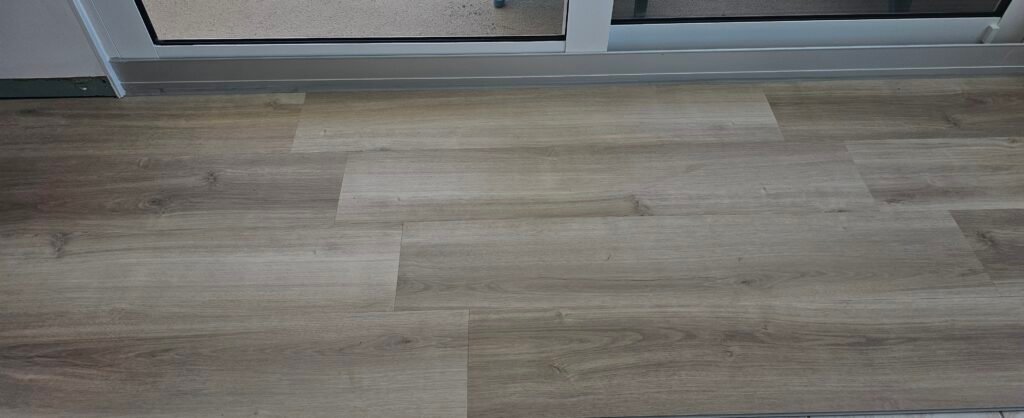
Residential flooring project. The finished appearance is only one part of a successful installation.
Why Florida’s Climate Matters When Choosing Flooring
Homes in Port Orange, Daytona Beach, and surrounding coastal communities experience warm temperatures, seasonal humidity, heavy rain, and everyday moisture brought in from outside. These conditions make product selection and proper installation especially important.
Humidity and Temperature
Changes in temperature and indoor humidity can affect flooring materials. Wood products in particular respond to moisture changes. Follow the flooring manufacturer’s requirements for acclimation, expansion spacing, and indoor conditions.
Water and Moisture Exposure
Kitchens, bathrooms, laundry rooms, and entryways may experience spills or recurring moisture. Select products rated for the intended location and address moisture problems before installing a new floor.
Concrete Slabs and Subfloors
Many Florida homes have concrete slab foundations. A slab can look dry while still having moisture conditions that affect flooring. Appropriate testing and manufacturer-approved installation methods are important.
Four Popular Flooring Materials for Residential Homes
Each flooring material has advantages, limitations, and installation requirements. Understanding the differences can help you narrow down your choices before purchasing materials.
Luxury Vinyl Plank (LVP)
Luxury vinyl plank is designed to recreate the appearance of wood while offering a resilient surface that is easy to maintain. Many products are waterproof, although the exact performance depends on the product and installation system.
Advantages:
- Many realistic wood-look designs.
- Comfortable underfoot compared with tile.
- Easy everyday cleaning.
- Waterproof options are available.
Considerations:
Subfloor flatness, moisture conditions, expansion requirements, and product specifications must be addressed. Not every vinyl product is suitable for every installation location.
Ceramic and Porcelain Tile
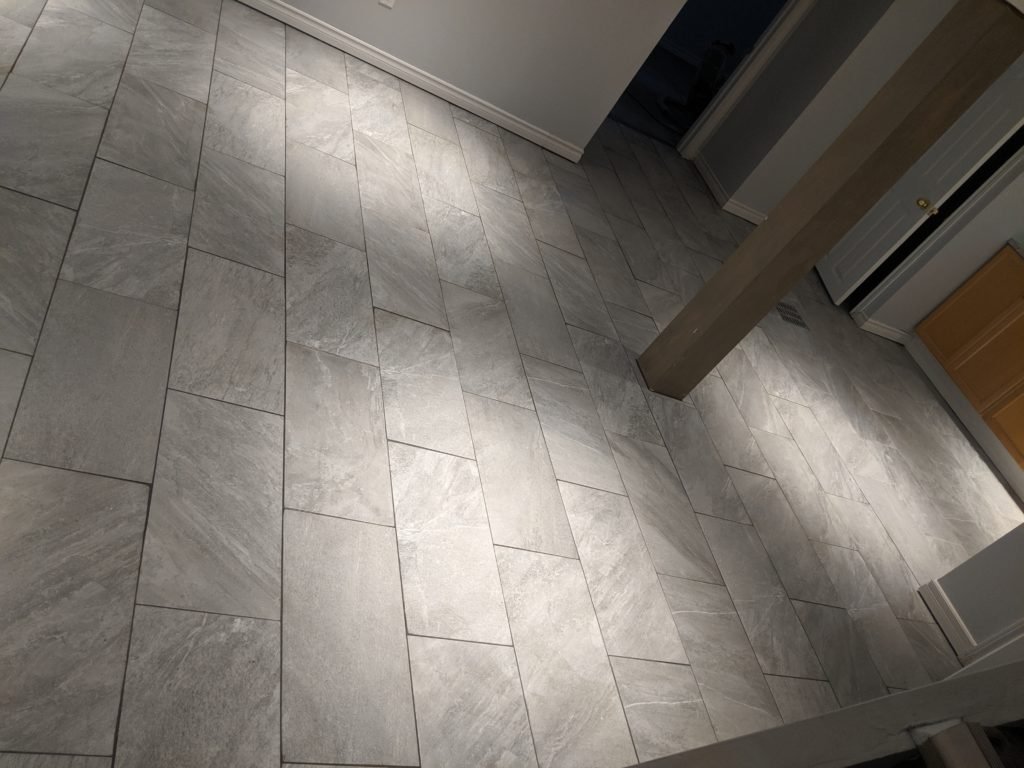
Tile offers a durable, attractive surface with many styles, colors, sizes, and patterns. Porcelain and ceramic are common choices for kitchens, bathrooms, entryways, and other areas where a hard, easy-to-clean surface is desired.
Advantages:
- Excellent durability when properly installed.
- Many water-resistant and low-absorption options.
- Wide variety of designs and finishes.
- Easy to clean and maintain.
Considerations:
Tile installation requires careful substrate preparation, appropriate setting materials, layout planning, and grout selection. Tile can feel hard and cool underfoot.
Hardwood and Engineered Wood
Hardwood offers natural character and a timeless appearance. Engineered wood combines a real-wood surface with a layered construction designed to provide additional dimensional stability compared with many solid wood products.
Advantages:
- Natural wood appearance and texture.
- Wide range of species and finishes.
- Can complement traditional and modern interiors.
Considerations:
Wood flooring is sensitive to moisture and indoor environmental conditions. Product selection, subfloor requirements, and installation method are especially important in Florida homes.
Laminate Flooring
Laminate flooring uses a decorative image layer over a manufactured core. It can provide the appearance of wood or stone at different price points. Some modern laminate products offer enhanced water resistance, but not every product is waterproof.
Check the manufacturer’s requirements for spills, standing water, cleaning, installation location, and subfloor preparation before choosing laminate for kitchens, bathrooms, or other moisture-prone rooms.
Which Flooring Is Best for Your Home?
Use this comparison as a starting point. The actual suitability of a flooring product depends on its specifications, installation location, and the condition of the existing floor.
| Flooring Type | Moisture Considerations | Maintenance | Common Applications |
|---|---|---|---|
| Luxury Vinyl Plank | Many products are waterproof; verify product and installation requirements. | Generally easy to clean. | Living rooms, bedrooms, kitchens, and other approved areas. |
| Porcelain Tile | Low water absorption; grout and installation assembly still matter. | Regular cleaning and grout care. | Kitchens, bathrooms, entryways, and living areas. |
| Ceramic Tile | Varies by tile and installation; check the product rating. | Regular cleaning and grout care. | Bathrooms, kitchens, walls, and selected living areas. |
| Laminate | Water resistance varies by product; standing water can cause damage. | Use manufacturer-approved cleaning methods. | Bedrooms, living areas, and approved rooms. |
| Hardwood / Engineered Wood | Moisture and humidity must be controlled within product requirements. | Product-specific cleaning and care. | Bedrooms, living rooms, and suitable conditioned spaces. |
This is a general comparison, not a product specification. Always review the flooring manufacturer’s instructions, warranty conditions, and suitability for the intended installation.
Best Flooring Considerations for Different Rooms
The same flooring product may be an excellent choice in one room and a poor choice in another. Consider how each space is used before making your final selection.
Living Rooms and Family Rooms
These rooms benefit from flooring that balances appearance, comfort, and durability. LVP, engineered wood, laminate, and tile may all be suitable depending on the household and product requirements.
Kitchens
Kitchen floors need to handle foot traffic, spills, food debris, and frequent cleaning. LVP and tile are popular options. Pay attention to slip resistance, transitions, and water around appliances and sinks.
Bathrooms
Bathroom flooring must be selected with water exposure in mind. Porcelain tile and appropriately rated vinyl products are common options. Proper waterproofing is especially important in shower areas.
Explore Bathroom RemodelingBedrooms
Bedrooms often prioritize comfort, warmth, and a quieter feel. LVP, carpet, laminate, and suitable engineered wood can all be considered based on personal preference and maintenance needs.
Laundry Rooms
Laundry rooms can experience appliance leaks and spills. Choose products approved for the room’s moisture conditions and make sure appliance connections and plumbing are in good condition.
Entryways and Hallways
These spaces often receive sand, dirt, water, and heavy foot traffic. Durable, easy-to-clean materials and well-planned transitions can help protect the rest of the home.
Why Subfloor Preparation Is So Important
One of the most important parts of a flooring project happens before the new material is installed. The subfloor must be suitable for the chosen flooring system.
Installing new flooring over an uneven, damaged, contaminated, or moisture-affected surface can lead to problems that become visible only after the project is complete.
- Check for uneven areas, dips, and high spots.
- Look for signs of water damage or moisture intrusion.
- Inspect for loose, damaged, or deteriorated subfloor material.
- Check concrete slabs for moisture when required.
- Remove old adhesives or debris when the installation system requires it.
- Confirm the surface meets the flooring manufacturer’s flatness requirements.
The finished surface depends on appropriate preparation underneath.
What Happens During a Professional Flooring Installation?
Every flooring project is different, but a well-organized installation generally follows a series of important steps. The exact process depends on the flooring product, room conditions, and manufacturer requirements.
Evaluate the Existing Floor
Review the existing flooring, subfloor, room layout, transitions, and any moisture or damage concerns. Determine what needs to be removed, repaired, or prepared.
Select the Flooring Material
Compare materials, colors, thicknesses, wear layers, installation systems, and product requirements. Make sure the selected flooring is approved for the intended room.
Prepare the Subfloor
Remove old flooring when required, address appropriate repairs, clean the surface, and complete any necessary moisture or flatness checks.
Install the Flooring
Follow the manufacturer’s installation method, including the appropriate adhesive, underlayment, expansion allowances, fastening, or locking system.
Complete Trim and Transitions
Install appropriate transition pieces, baseboards, or shoe molding as included in the project scope. Pay attention to doorways, adjoining rooms, and edges.
Final Inspection and Cleanup
Review the finished surface, check transitions and trim, clean the work area, and provide the homeowner with relevant care and maintenance information.
DIY Flooring Installation or Hiring a Professional?
Some homeowners enjoy taking on flooring projects themselves. Others prefer to have an experienced installation team handle the preparation and finish work. The right choice depends on the material, the room, and the complexity of the project.
When DIY May Make Sense
- The project is small and straightforward.
- The homeowner has suitable tools and experience.
- The existing subfloor is in good condition.
- The product has clear installation instructions.
- The homeowner understands the warranty requirements.
Even straightforward installations require careful measuring, cutting, layout planning, and attention to expansion and transition details.
When Professional Installation Is Worth Considering
- Existing flooring needs removal.
- The subfloor needs repair or leveling.
- There are moisture or slab concerns.
- The project involves multiple rooms or transitions.
- Tile layouts, stairs, or complex cuts are involved.
- The project is part of a larger home renovation.
A professional assessment can help identify preparation requirements and avoid problems that may otherwise be expensive to correct later.
Tell us about the rooms, flooring material, and project location. We can discuss the work and provide a clear written quote.
Common Flooring Installation Mistakes Homeowners Should Avoid
Ignoring Moisture
Installing flooring without investigating moisture concerns can lead to adhesive failures, damaged materials, odors, or other problems.
Skipping Subfloor Preparation
Uneven or damaged surfaces can affect the finished floor. Preparation requirements vary by material and must be followed.
Choosing Only by Appearance
A beautiful floor may not be appropriate for every room. Consider water exposure, traffic, cleaning, and product limitations.
Incorrect Expansion Spacing
Some floating flooring systems need room to expand and contract. Incorrect spacing can contribute to buckling or gaps.
Using the Wrong Cleaning Products
Harsh chemicals or excessive water can damage finishes, grout, or flooring surfaces. Follow the manufacturer’s care instructions.
Overlooking Transitions and Trim
Doorways, adjoining floors, baseboards, and edges should be considered before installation. These details help create a clean finished appearance.
Baseboards, Trim, and Flooring Transitions
The final appearance of a flooring project depends on more than the planks or tiles. Baseboards, shoe molding, transition strips, doorway details, and clean edges all contribute to a professional finish.
When replacing flooring, homeowners should decide whether existing baseboards will be removed and reinstalled, replaced, or left in place with appropriate shoe molding where the flooring system allows it.
Transitions between different flooring materials should be planned for differences in height, movement requirements, and the manufacturer’s recommendations. The goal is a clean, safe connection between adjoining surfaces.
Explore our flooring installation services to learn more about flooring, preparation, and finishing details.
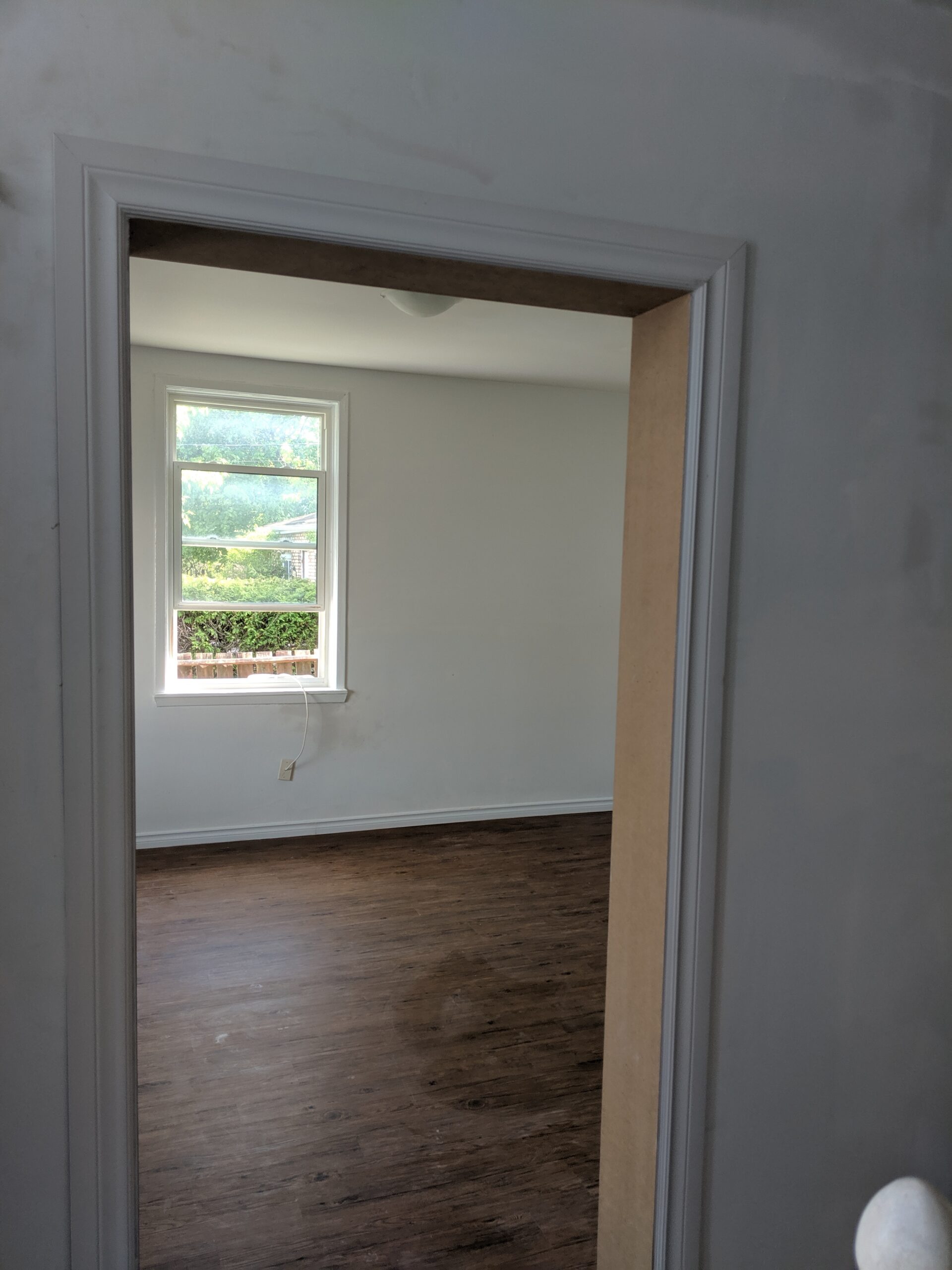
Finished flooring details help tie adjoining rooms together.
How to Maintain Different Types of Flooring
Regular care helps preserve the appearance of your flooring. Always follow the cleaning instructions provided by the manufacturer.
LVP and Vinyl
- Sweep or vacuum regularly.
- Use approved cleaners.
- Wipe up spills promptly.
- Use furniture protection.
- Avoid abrasive cleaning tools.
Tile Flooring
- Remove sand and debris regularly.
- Use appropriate tile cleaners.
- Keep grout clean.
- Inspect cracked or damaged grout.
- Address loose or cracked tiles.
Wood and Laminate
- Avoid excessive water during cleaning.
- Use manufacturer-approved products.
- Protect against furniture scratches.
- Clean spills promptly.
- Maintain appropriate indoor conditions.
See Flooring Projects Completed by Our Team
Material samples can help you choose a style, but real project photographs give you a better idea of how different flooring materials look in an actual home.
Browse our flooring photographs and other completed home improvement projects.
Related Home Improvement and Renovation Services
Flooring is often one part of a larger home improvement project. If you’re updating a kitchen, bathroom, or multiple rooms, coordinating related work can help create a more consistent finished result.
Professional Flooring Installation
Explore LVP, tile, laminate, and hardwood flooring installation, including preparation and finishing work.
Flooring Installation ServicesTile Installation
Tile floors, bathroom tile, shower surrounds, kitchen backsplashes, and other custom tile improvements.
Explore Tile InstallationBathroom Remodeling
Coordinate new flooring with bathroom improvements, vanity upgrades, tiled showers, and other updates.
Bathroom RemodelingKitchen Remodeling
Combine new kitchen floors with backsplash tile, cabinet improvements, painting, and other renovation work.
Kitchen RemodelingHome Renovations
Plan multiple home improvements together, including flooring, painting, drywall, tile, and finishing details.
Explore Home RenovationsHandyman Services
Take care of related home repairs, trim work, installations, and other improvements around your property.
Explore Handyman ServicesFlooring and Home Renovation Services in Port Orange and Daytona Beach
Florida’s Handyman and Renovation Services works with homeowners throughout the local area on flooring installations, home improvements, repairs, and renovation projects.
Port Orange and Daytona Beach are our primary markets. We also serve nearby communities throughout Volusia County, including:
Have a project in another nearby community? Contact us with your property location and project details so we can confirm availability.
Frequently Asked Questions About Flooring for Florida Homes
Here are answers to common questions homeowners ask when planning a flooring replacement or installation project.
What is the best flooring for a Florida home?
There is no single best flooring material for every Florida home. Luxury vinyl plank and porcelain tile are popular choices because many products offer practical moisture-resistant or waterproof characteristics. The best option depends on the room, product specifications, subfloor, budget, and personal preferences.
Is luxury vinyl plank a good choice for Florida homes?
Luxury vinyl plank can be an excellent option for many Florida homes. Many LVP products are waterproof and offer realistic wood-look designs. Homeowners should still verify the manufacturer’s installation requirements and make sure the subfloor is suitable.
Is tile better than LVP in Florida?
Tile and LVP each have advantages. Porcelain tile offers a hard, durable surface with low water absorption, while LVP generally provides a softer feel underfoot and easier plank replacement in some product systems. The right choice depends on the room, appearance, maintenance preferences, and installation conditions.
Can new flooring be installed over existing tile?
In some situations, certain floating flooring products can be installed over existing tile if the surface meets the manufacturer’s flatness, stability, and other requirements. Loose, cracked, uneven, or moisture-affected tile may need to be addressed first. The product instructions should determine whether installation over existing flooring is permitted.
Does a concrete slab need moisture testing before flooring installation?
Many flooring systems require concrete moisture testing before installation. The required test method and acceptable moisture limits depend on the flooring and adhesive manufacturer. Testing helps identify conditions that could affect the installation.
How important is subfloor preparation?
Subfloor preparation is essential. Uneven, damaged, or moisture-affected surfaces can cause problems with the finished floor. Proper preparation helps provide the stable, clean, and suitable surface required by the flooring manufacturer.
How long does flooring installation take?
Installation time depends on the size of the project, the flooring material, removal of existing floors, subfloor repairs, room layout, and product-specific installation and curing requirements. A smaller straightforward project may take considerably less time than a multi-room renovation.
Should baseboards be replaced when installing new flooring?
Not always. Existing baseboards may sometimes be removed and reinstalled, or new shoe molding may be used where appropriate. If the baseboards are damaged, outdated, or difficult to match, replacing them may provide a cleaner finished appearance.
What flooring is best for kitchens and bathrooms?
Porcelain tile and appropriately rated vinyl products are common options for kitchens and bathrooms. Product water-resistance ratings, installation details, slip resistance, and the amount of moisture exposure should all be considered.
Do you provide flooring installation in Port Orange and Daytona Beach?
Florida’s Handyman and Renovation Services provides residential flooring installation in Port Orange, Daytona Beach, and surrounding communities. We work with homeowners on flooring upgrades and related home improvement projects. View our flooring installation services.
Can flooring be part of a larger kitchen or bathroom renovation?
Yes. Flooring can be coordinated with kitchen remodeling, bathroom remodeling, tile installation, painting, trim, and other home improvements. Planning the related work together can help create a more cohesive finished space.
How do I get a flooring estimate?
Contact Florida’s Handyman and Renovation Services at (386) 488-2475 or use our online quote page. Tell us where the property is located, which rooms need flooring, and what type of material you are considering. We can discuss the next steps for reviewing the project and preparing a written quote. Request your free quote here.
Ready to Upgrade the Floors in Your Home?
Whether you’re considering luxury vinyl plank, tile, laminate, hardwood, or a complete home flooring upgrade, our team is ready to discuss your project.
Florida’s Handyman and Renovation Services provides flooring and home renovation services throughout Port Orange, Daytona Beach, and surrounding communities.
Over 25 Years Experience.
Reliable, On Time And Done RIGHT The First Time.